
Agriculture is one of South Africa’s most vital industries — feeding millions, supporting rural employment, and driving exports. Behind every successful farm, from large commercial enterprises to smaller family holdings, lies one essential factor: reliable farming vehicles.
These machines form the backbone of agricultural productivity. They move equipment, transport produce, prepare fields, and handle countless day-to-day operations. In South Africa’s varied terrain — from the maize fields of the Free State to the vineyards of the Western Cape — farming vehicles enable efficiency, versatility, and sustainable growth.
This guide explores the different types of farming vehicles, their key features, benefits, maintenance, and technological innovations that are reshaping South Africa’s agricultural landscape.
Understanding Farming Vehicles
Alt text: tractor and harvester working together during crop season in South Africa
A farming vehicle is any motorised machine or utility vehicle designed to perform agricultural tasks. While tractors remain the most iconic example, modern farms rely on a fleet of specialised machines — from harvesters and sprayers to quad bikes and utility trucks.
Each type serves a unique function, tailored to specific farming activities. Together, they reduce manual labour, improve yield quality, and increase productivity.
Common Types of Farming Vehicles in South Africa
Tractors
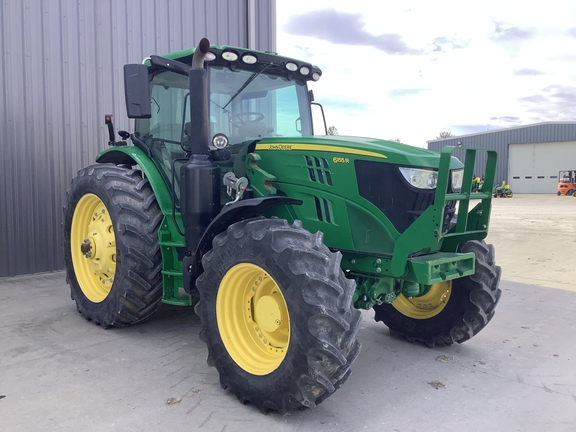
The tractor remains the most versatile and widely used farming vehicle in South Africa. Available in compact, medium, and heavy-duty configurations, tractors power a variety of attachments such as ploughs, harrows, planters, balers, and trailers.
Diesel engines dominate the market due to their torque and fuel efficiency. Modern models often feature power steering, four-wheel drive, and hydraulic lift systems for improved performance.
South African farmers rely on tractors for soil preparation, planting, fertilising, and hauling produce across uneven terrain.
Combine Harvesters
Alt text: large combine harvester collecting maize in Free State, South Africa
Combine harvesters are engineered to cut, thresh, and clean crops in one continuous process. This saves time, labour, and fuel. In South Africa, they are crucial for harvesting wheat, maize, barley, and oats.
Modern combines use adjustable headers that adapt to crop height and density, while precision sensors optimise grain separation and reduce losses. The combination of high capacity and automation allows farmers to manage tight harvesting windows effectively.
Utility and Farm Trucks
Farm trucks handle daily logistics such as moving livestock feed, fertilisers, tools, and harvested produce. In rural South Africa, where road conditions vary, 4×4 diesel trucks are preferred for reliability and power.
Many farmers also modify light commercial vehicles with canopy storage, hydraulic lifts, and towing systems to increase versatility. These vehicles are essential for maintaining efficient farm-to-market operations.
All-Terrain Vehicles (ATVs) and Utility Task Vehicles (UTVs)
Alt text: farmer using quad bike to inspect cattle on South African farm
Small yet powerful, ATVs and UTVs have become indispensable for modern farms. They provide mobility across rough or remote terrain, ideal for livestock management, irrigation inspection, or fencing work.
UTVs, also known as side-by-sides, often feature cargo beds and seating for two or more passengers. Electric and hybrid models are also emerging, offering quiet operation and lower running costs.
Sprayers and Fertiliser Spreaders
Self-propelled sprayers and spreaders distribute fertilisers, pesticides, or herbicides evenly over large areas. They use boom arms that extend across multiple rows, ensuring consistent coverage while minimising waste.
In South Africa, precision application is vital due to rising input costs and environmental regulations. GPS-guided systems now allow farmers to target specific zones, improving efficiency and sustainability.
Balers and Forage Harvesters
These machines collect and compress hay, straw, or silage into manageable bales. Balers reduce manual work and streamline storage. Forage harvesters, meanwhile, cut and chop green fodder for livestock feeding.
Both are essential for dairy and cattle farms in provinces like KwaZulu-Natal and Mpumalanga, where pasture management directly impacts productivity.
Planters and Seeders
Planters and seeders ensure accurate spacing and depth for seeds, improving germination and yield consistency. Pneumatic systems and precision technology have largely replaced older mechanical designs.
For South African farmers, this translates into faster planting cycles and reduced seed wastage, especially in large maize and sunflower operations.
Tillage Equipment
Tractors often pull tillage vehicles such as ploughs, harrows, and cultivators. These machines prepare soil for planting by breaking compacted layers, controlling weeds, and improving aeration.
With growing emphasis on conservation farming, South Africans are adopting minimum-tillage and no-till systems to reduce erosion and maintain soil structure.
Benefits of Farming Vehicles in South African Agriculture
1. Increased Efficiency
Modern machinery allows farmers to complete large-scale operations in less time with fewer workers, crucial for competitiveness in global markets.
2. Precision and Consistency
Advanced equipment ensures uniform planting, fertilising, and harvesting, leading to predictable, high-quality yields.
3. Labour Reduction
Farming vehicles significantly cut the need for manual labour, particularly in remote areas with workforce shortages.
4. Improved Safety
Enclosed cabs, rollover protection systems (ROPS), and ergonomic controls minimise the risk of accidents and operator fatigue.
5. Cost Savings Over Time
Though initial investment is high, efficiency gains, fuel savings, and increased yields quickly offset equipment costs.
6. Environmental Control
Precision sprayers and spreaders reduce over-application of chemicals, promoting sustainable soil management.
Choosing the Right Farming Vehicle for South Africa
When selecting machinery, farmers must consider several key factors:
- Farm Size: Smaller farms may only need one multi-purpose tractor, while large commercial operations require a full fleet.
- Soil and Terrain: Coastal sand requires lightweight equipment, while inland clay soils benefit from high-traction tyres or tracks.
- Crop Type: Grain, fruit, dairy, or livestock farming each demands specialised attachments and vehicles.
- Climate: Equipment must perform reliably in South Africa’s hot summers, wet coastal zones, and dusty inland conditions.
- Fuel Efficiency: Diesel-powered vehicles dominate due to their torque and cost-effectiveness. Hybrid and electric options are emerging as alternatives.
- Maintenance Support: Access to local dealerships, spare parts, and technical service is essential for minimising downtime.
Selecting the right equipment ensures smooth operations and maximises return on investment.
Maintenance Tips for Farming Vehicles
Alt text: mechanic performing maintenance on tractor engine inside farm workshop
Routine maintenance keeps farming vehicles in top condition, extending lifespan and performance.
- Daily Checks: Inspect oil levels, tyre pressure, and hydraulic systems before operation.
- Clean Machinery: Remove dust and plant debris to prevent overheating and corrosion.
- Lubricate Moving Parts: Grease fittings and bearings regularly.
- Replace Filters and Fluids: Follow manufacturer intervals for engine oil, air, and fuel filters.
- Battery and Electrical Care: Keep terminals clean and charge regularly, especially for seldom-used machines.
- Blade and Belt Inspection: Worn parts reduce efficiency and fuel economy.
- Store Under Cover: Protect vehicles from rain, dust, and sun damage when idle.
Establishing a preventive maintenance schedule ensures operational reliability during critical planting and harvesting periods.
Safety Guidelines for Operating Farming Vehicles
Agricultural vehicles are powerful machines that require disciplined operation.
- Always wear seatbelts in enclosed cabs.
- Avoid overloading trailers or attachments beyond rated capacity.
- Never operate under the influence of alcohol or fatigue.
- Keep bystanders and animals at a safe distance during operation.
- Park on level ground and engage brakes before exiting.
- Train workers in equipment handling and emergency procedures.
The South African Department of Labour encourages compliance with occupational safety standards to reduce accidents in the agricultural sector.
Environmental Sustainability and Modern Farming Vehicles
Sustainability is increasingly important in South African agriculture. Manufacturers now design vehicles that support eco-friendly practices.
Low-Emission Engines: Newer diesel engines meet stricter emission standards, reducing pollutants.
Precision Technology: GPS mapping and variable-rate controls help farmers apply water, seed, and chemicals efficiently, lowering waste.
Hybrid and Electric Vehicles: Although still emerging, electric tractors and UTVs offer quieter operation and zero exhaust emissions.
Soil Protection: Wide flotation tyres and track systems distribute weight evenly, preventing compaction.
Fuel Management Systems: Telemetry tools monitor consumption, optimising engine output for lower fuel use.
These advancements contribute to environmentally responsible farming and long-term soil health.
Technological Advancements in Farming Vehicles
South Africa’s agricultural sector is rapidly embracing digital transformation.
GPS and Auto-Steering: Automated steering ensures straight rows, reduces overlaps, and improves fuel efficiency.
Telematics and Data Analytics: Fleet management systems track performance, maintenance schedules, and productivity in real time.
Drones and Sensor Integration: Drones assess field conditions, guiding tractors and sprayers for targeted application.
Remote Diagnostics: Dealers can identify mechanical issues remotely and advise on corrective actions before breakdowns occur.
Autonomous Tractors: Global brands are testing driverless tractors that can plant, spray, and harvest autonomously — a development expected to reach South Africa in coming years.
Technology continues to redefine efficiency and sustainability across the nation’s farmlands.
Common Farming Vehicle Problems and Solutions
| Problem | Likely Cause | Recommended Fix |
|---|---|---|
| Engine overheating | Clogged radiator or coolant leak | Clean radiator, top up coolant |
| Low power output | Dirty air filter or fuel injector issue | Replace filter, service injectors |
| Hydraulic failure | Air or contamination in system | Bleed and refill hydraulic fluid |
| Uneven tyre wear | Incorrect pressure or alignment | Adjust to manufacturer specs |
| Electrical malfunction | Loose connections or corroded terminals | Inspect wiring, clean terminals |
Preventive maintenance and early detection reduce repair costs and downtime.
Financing and Ownership Options
Purchasing new farming vehicles is a major investment. South African farmers often rely on agricultural finance institutions or leasing programmes to acquire modern machinery.
Hire Purchase: Allows gradual ownership through fixed instalments.
Leasing: Provides access to advanced equipment without long-term ownership costs.
Cooperative Ownership: Shared use among local farmers reduces individual capital expenses.
Several banks and agricultural agencies offer subsidised finance solutions tailored to farming operations, helping producers modernise fleets affordably.
Future of Farming Vehicles in South Africa
The future of agriculture lies in automation, energy efficiency, and digital integration.
Electric tractors, GPS-guided harvesters, and AI-powered analytics will soon become standard tools on South African farms. Renewable-energy charging stations and hybrid drive systems will help offset rising fuel costs and promote carbon neutrality.
As climate variability increases, adaptive technologies — such as moisture sensors and predictive maintenance software — will play key roles in maintaining stability and productivity.
With these innovations, farming vehicles are evolving from simple machines into intelligent, connected partners in food production.
Conclusion
Farming vehicles are the driving force behind South Africa’s agricultural productivity. From tractors and harvesters to ATVs and utility trucks, these machines support every stage of food production — tilling the soil, planting seeds, maintaining crops, and bringing harvests to market.
Investing in the right equipment improves efficiency, safety, and profitability, while modern technology ensures sustainable farming practices that safeguard the environment.
As South Africa continues to balance food security with economic growth, advanced farming vehicles will remain at the heart of progress — powering not just machines, but the future of the nation’s farms.