
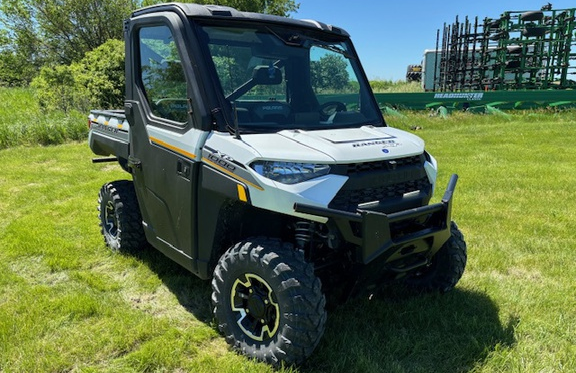
All-terrain vehicles (ATVs) have become indispensable tools in South Africa’s agricultural industry. Compact, fast and highly versatile, they allow farmers to navigate rough terrain quickly, inspect crops, transport supplies and manage livestock with ease.
In regions where fields are spread out or accessible only by unpaved tracks, a farming ATV can save hours of work each week. It combines the agility of a motorbike with the stability of a small tractor, offering a perfect balance between speed and utility for farm tasks of all sizes.
The Role of ATVs in South African Farming
Alt text: farmer on ATV inspecting irrigation pipes in Limpopo
Agriculture in South Africa is diverse — from maize in the Free State to sugarcane in KwaZulu-Natal and vineyards in the Western Cape. Each region presents unique terrain challenges, and ATVs provide a solution to cover distance efficiently without damaging soil or crops.
Farmers use them for:
- Inspecting fences and livestock enclosures
- Transporting feed, seed, and tools
- Towing trailers or sprayers
- Patrolling irrigation lines and boreholes
- Managing crop fields between planting and harvest
Their ability to handle steep inclines, muddy tracks and tight spaces makes them indispensable on both large and small farms alike.
Advantages of Using ATVs on Farms
1. Speed and Mobility
ATVs move much faster than tractors and can reach areas that are inaccessible to larger vehicles. This speed reduces the time spent on routine farm checks.
2. Compact Design
Their lightweight build minimises soil compaction — a major benefit for farmers concerned with soil health and root structure.
3. Fuel Efficiency
Most models use small petrol or diesel engines that consume far less fuel than traditional farm vehicles.
4. Multi-Purpose Functionality
Farming ATVs support attachments such as trailers, sprayers, seed spreaders and feed carriers, allowing a single machine to perform multiple tasks.
5. Affordability and Low Maintenance
Compared with tractors and utility vehicles, ATVs have lower maintenance costs and require fewer replacement parts.
6. Ease of Use
Training operators is quick because controls are simple and handling is intuitive. Most ATVs feature automatic transmissions and electric start systems.
Common Types of Farming ATVs
Alt text: three types of ATVs displayed at a South African farm equipment dealer
Utility ATVs
These are the most common farm models. Built for towing and carrying, they have large racks and sturdy frames to handle loads of tools or feed. Engine sizes range from 300 cc to 700 cc.
4×4 Off-Road ATVs
Designed for rough terrain, they use four-wheel drive systems for enhanced traction on slopes and wet soil. Perfect for mountainous and coastal regions.
Electric ATVs
Battery-powered models produce no emissions and operate quietly, ideal for livestock areas or eco-sensitive zones. They require minimal servicing and cost less to run long-term.
Two-Seater and Side-by-Side Models
These accommodate extra passengers and feature roll-over protection frames (ROPS) for safety. They often serve as light utility vehicles for supervisors or team transport.
Sport-Utility Hybrids
Combining speed and power, these suit farmers who need both work and recreational use. Suspension is improved for comfort and stability during long rides.
Key Features to Look For in a Farming ATV
Alt text: detailed view of ATV dashboard showing gears and speedometer
When purchasing an ATV for agricultural use, consider the following features to ensure longevity and performance.
- Engine Capacity: Match power to workload — larger farms often require 450 cc and above.
- Drive System: Selectable 2WD/4WD for different terrain conditions.
- Load Capacity: Ensure front and rear racks can carry combined loads of 100–150 kg or more.
- Towing Capability: Check manufacturer ratings for trailers and implements.
- Suspension and Ground Clearance: Independent suspension absorbs bumps and prevents damage to crops.
- Safety Add-ons: ROPS, headlights, and reflectors are essential for dawn or dusk operation.
- Fuel Efficiency and Range: Choose models that balance power with economical consumption.
- Comfort: Ergonomic seating and easy controls reduce operator fatigue.
Routine Uses of ATVs on South African Farms
Alt text: ATV pulling a small sprayer through a corn field in Free State
ATVs play a supporting role across every stage of farm operation.
- Livestock Management: Checking herds, distributing feed, and transporting veterinary supplies.
- Crop Supervision: Quickly inspecting fields for pest damage or irrigation issues.
- Transport: Moving workers and equipment between plots or storage sheds.
- Fencing and Maintenance: Carrying tools, wire and posts for repairs across long perimeters.
- Spraying and Spreading: When equipped with attachments, they distribute fertiliser or herbicide evenly.
The result is greater efficiency and reduced physical strain for farm workers.
Safety Guidelines for Operating Farm ATVs
Alt text: rider wearing helmet and protective gear on a farm ATV
Safety is vital on any farm vehicle. Follow these guidelines to minimise risks:
- Wear helmet, gloves and sturdy boots at all times.
- Do not carry passengers unless the ATV is specifically designed for two.
- Keep speeds low on slopes and uneven ground.
- Avoid sharp turns and sudden acceleration.
- Engage the parking brake before loading or dismounting.
- Ensure lights and brakes are working before each use.
- Never operate under the influence of alcohol or fatigue.
Regular training for farm staff reduces accidents and prolongs equipment life.
Maintenance Tips for Farming ATVs
Alt text: mechanic servicing an ATV in a farm workshop in South Africa
Keeping your ATV in top condition ensures consistent performance throughout the year.
- Oil and Filter Changes: Replace engine oil every 100 hours of operation.
- Tyre Care: Check pressure and look for punctures after each week of use.
- Clean Air Filter: Dust build-up reduces efficiency; clean or replace regularly.
- Battery Check: Inspect connections and charge levels frequently.
- Brake Maintenance: Ensure pads and cables respond smoothly.
- Lubrication: Grease pivot points and chains to prevent wear.
- Storage: Keep the ATV covered and off the ground during long periods of non-use.
Preventive maintenance avoids expensive repairs and downtime during planting or harvesting seasons.
Comparing ATVs with Other Farm Vehicles
Alt text: comparison of ATV next to a small tractor on farm yard
| Feature | ATV | Tractor | Utility Vehicle (UTV) |
|---|---|---|---|
| Speed | High | Low | Medium |
| Towing Capacity | Moderate | Very High | High |
| Terrain Handling | Excellent | Good | Excellent |
| Passenger Capacity | 1–2 | 1–2 | 2–6 |
| Fuel Use | Low | High | Moderate |
| Maintenance | Low | Medium | Medium |
ATVs fill the gap between tractors and UTVs, providing affordable mobility without sacrificing performance.
Choosing the Right ATV for Your Farm
Alt text: farmer testing an ATV before purchase at equipment dealer
Before buying, evaluate the following:
- Terrain: Select 4×4 for muddy or rocky areas; 2WD for flat dry fields.
- Purpose: Towing trailers requires higher horsepower than field inspection duties.
- Load Needs: Ensure rack and hitch capacities suit daily tasks.
- Operator Experience: Beginner-friendly automatic transmissions may be best for new users.
- Maintenance Access: Check that local dealers stock spare parts and service kits.
- Weather Protection: Consider windshields or canopies for all-season work.
Selecting the right machine ensures maximum return on investment and long-term reliability.
Environmental and Economic Benefits
Alt text: electric ATV operating in vineyard with minimal noise pollution
Modern ATVs support South Africa’s sustainability goals through reduced fuel use and smaller carbon footprints.
- Lower Emissions: Electric and fuel-efficient models produce less pollution.
- Reduced Soil Damage: Light weight and wide tyres prevent soil compaction.
- Labour Efficiency: Fewer vehicles and operators mean lower operational costs.
- Durability: Properly maintained ATVs can serve for many years, reducing replacement waste.
Economically, these advantages translate into savings on fuel, repairs and labour while improving overall farm productivity.
Common Issues and Troubleshooting
Alt text: technician checking spark plug of ATV engine
| Problem | Likely Cause | Recommended Action |
|---|---|---|
| Hard Starting | Low battery or clogged fuel filter | Recharge battery, replace filter |
| Poor Acceleration | Dirty air filter or worn belt | Clean filter, inspect belt |
| Overheating | Blocked radiator or low coolant | Flush radiator, top up coolant |
| Brake Fade | Worn pads or air in line | Bleed system, replace pads |
| Electrical Failure | Loose connections | Tighten and clean terminals |
Consistent inspection and timely maintenance keep small issues from becoming major expenses.
Technological Advancements in Farming ATVs
Alt text: modern ATV with digital dashboard and GPS navigation
The latest generation of farming ATVs incorporates smart technology for precision and comfort.
- GPS Mapping and Navigation for tracking field routes.
- Digital Displays show maintenance alerts and fuel data.
- Automatic Transmission Systems for seamless control.
- LED Lighting improves visibility during night operations.
- Weather-Resistant Materials enhance durability in dusty or humid conditions.
These features reduce operator fatigue and increase accuracy in daily farm activities.
The Future of Farming ATVs in South Africa
Alt text: autonomous ATV prototype testing in South African field
As technology advances, electric and hybrid ATVs will become more common across South Africa’s farms. Manufacturers are experimenting with autonomous driving and AI-assisted navigation that could perform routine patrols or field inspections automatically.
Connectivity through telematics will allow farmers to monitor vehicle health, location, and fuel usage in real time. These innovations are expected to enhance efficiency while lowering operational costs over the next decade.