
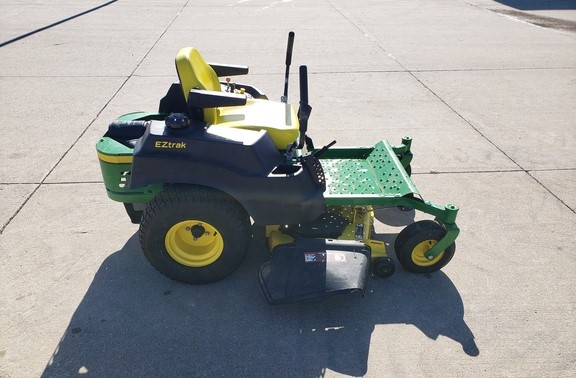
A residential mower is a machine designed specifically for domestic lawn-care use. It is lighter, quieter, and more affordable than commercial models yet powerful enough for regular weekly mowing. Homeowners can choose from petrol, corded-electric, battery-powered, or robotic units, depending on yard size and personal preference.
These mowers prioritize user comfort, compact storage, and energy efficiency. Their design emphasizes safety and ergonomics for smooth operation even in small spaces.
Benefits of Owning a Residential Mower
A personal mower gives homeowners complete control over timing and results. Some of the key benefits include:
- Time flexibility: Mow when the weather and schedule suit you.
- Cost savings: Avoid recurring contractor fees for lawn maintenance.
- Improved grass health: Regular trimming stimulates thicker, greener turf.
- Environmental responsibility: Battery or manual models minimize emissions.
- Enhanced property value: A well-kept yard increases the appeal of any home.
With a reliable residential mower, maintaining the lawn becomes a manageable, rewarding part of household care.
Main Types of Residential Mowers
Alt text: homeowner using self-propelled residential mower on backyard slope
Push mowers are ideal for small, flat lawns. They require manual effort but provide precise control and are extremely low-maintenance. Reel-blade push versions cut cleanly like scissors, leaving an even finish.
Self-propelled mowers feature a drive system that moves the machine forward. The operator simply steers, making them excellent for medium-sized lawns or gentle slopes. Many offer adjustable speed and rear-wheel drive for better traction.
Ride-on mowers suit larger gardens or semi-rural properties. They allow the user to sit comfortably while covering wide areas quickly. Attachments for collection or mulching further simplify upkeep.
Zero-turn mowers pivot on the spot, providing unmatched agility around trees, fences, and flowerbeds. They are popular for properties with complex landscaping.
Electric and battery mowers deliver quiet, emission-free operation. Corded units are suited to smaller yards with nearby outlets, while cordless battery models offer complete freedom of movement. Modern lithium-ion batteries provide ample runtime and strong cutting torque.
Robotic mowers represent the latest evolution in convenience. Once installed, they operate autonomously, trimming lawns automatically within a boundary area and returning to charge themselves. Perfect for busy homeowners, they keep grass consistently tidy without manual effort.
How to Choose the Right Residential Mower
Selecting the ideal mower depends on the size, terrain, and layout of your lawn. Small gardens under 300 square meters usually perform best with manual or electric push mowers. Medium yards benefit from self-propelled or cordless models, while expansive properties require ride-on or zero-turn machines.
Noise sensitivity and environmental concerns are also factors. If you live in a dense neighborhood, choose a battery-powered or electric mower to maintain peace and comply with local regulations. Always consider the storage space available in your garage or shed—folding handles and compact decks make storage easier.
Essential Features to Look For
Cutting Width: The width of the blade deck determines how much lawn is covered per pass. Wider decks reduce mowing time but require more storage space.
Height Adjustment: Seasonal flexibility matters. Adjustable cutting height lets you preserve longer grass during dry seasons and achieve close finishes when growth is strong.
Power Source: Petrol models deliver endurance; electric and battery options offer quieter, eco-friendly operation. Choose based on your yard’s power access and maintenance preferences.
Grass Discharge Options:
- Bag collection provides a clean, finished look.
- Side discharge handles rougher, faster mowing.
- Mulching recycles clippings into fine pieces that naturally fertilize the soil.
Ergonomic Design: Adjustable handles, balanced weight, and vibration control reduce fatigue. Look for soft-grip bars and intuitive control levers.
Maintenance Access: Quick-release blades and easy-open decks simplify cleaning and servicing, ensuring consistent performance.
Maintaining Your Residential Mower
Alt text: homeowner cleaning grass debris from residential mower deck
Proper maintenance is vital for safety and longevity. Always clean the mower after each use by removing stuck grass from beneath the deck. Replace or sharpen blades at least once per season to avoid tearing grass tips.
For petrol mowers, check oil levels regularly and replace filters as recommended. Inspect spark plugs for wear. For electric or battery models, keep battery terminals dry and store batteries indoors during cold months.
Lubricate cables, wheel bearings, and moving parts to prevent corrosion. Storing the mower in a dry, covered space extends its life and preserves paint and electronics.
Lawn Care Through the Seasons
Alt text: seasonal residential lawn mowing showing spring and summer growth
Spring: Start mowing when grass reaches roughly eight centimeters. Begin with a higher cut setting to encourage root strength.
Summer: Mow regularly, but avoid removing more than one-third of the grass height at once. Early-morning or evening sessions reduce stress on the turf.
Autumn: Collect fallen leaves and maintain moderate cutting height. Prepare for winter by cleaning and servicing the mower.
Winter: Store indoors. Disconnect fuel or remove batteries to prevent deterioration during long storage periods.
These seasonal adjustments keep grass healthy and visually balanced year-round.
Safety Guidelines for Home Use
Residential mowers are straightforward to operate, but safety remains essential. Always read the manufacturer’s manual before first use. Wear closed-toe shoes, long pants, gloves, and eye protection.
Keep children and pets at a safe distance while mowing. Refuel petrol mowers only when the engine is cool. Unplug or remove batteries before cleaning beneath the deck. Never operate on wet grass, which can cause slipping or clogging.
A cautious routine prevents accidents and extends the lifespan of both the mower and the user’s confidence.
Common Mower Problems and Simple Fixes
| Problem | Likely Cause | Quick Solution |
|---|---|---|
| Engine will not start | Stale fuel or blocked filter | Replace fuel, clean filter |
| Uneven cut | Dull blades or uneven tire pressure | Sharpen blade, check tires |
| Excess vibration | Loose bolts or bent blade | Tighten parts, inspect blades |
| Poor mulching | Wet grass or dirty deck | Mow dry, clean underneath |
| Battery runtime too short | Aged battery cells | Replace with new pack |
Understanding these issues helps homeowners restore performance quickly without unnecessary service costs.
Environmental Considerations
Battery and electric mowers produce zero direct emissions, significantly lowering carbon footprint. Their quiet operation reduces neighborhood noise pollution. Mulching mowers return nitrogen and moisture to the soil, reducing dependence on synthetic fertilizers.
Dispose of oil, fuel, and old batteries through approved recycling programs. Choosing environmentally friendly mowing equipment contributes to cleaner air and healthier local ecosystems.
Innovation and Smart Technology
Alt text: smartphone controlling robotic residential lawn mower in backyard
Modern mower technology integrates digital convenience. Many robotic and cordless models connect to smartphone apps for scheduling, progress monitoring, and theft alerts.
GPS-based navigation ensures precise coverage without overlap. Rain sensors automatically pause mowing during wet conditions, protecting both the mower and the lawn. Self-charging systems allow the mower to return to its dock when power runs low. These features combine to save time and energy while delivering consistently smooth results.
Comparing Power Options
| Power Type | Advantages | Limitations |
|---|---|---|
| Petrol | Long runtime, high power for thick grass | Noise, emissions, more maintenance |
| Electric corded | Continuous power, quiet, lightweight | Range limited by extension cable |
| Battery cordless | Freedom of movement, eco-friendly | Limited runtime per charge |
| Manual push | Silent, inexpensive, zero emissions | Physical effort required |
| Robotic | Fully automatic, time-saving | Higher initial cost |
Selecting the power source depends on the balance between performance needs, environmental goals, and available storage.
Achieving a Professional-Quality Finish
A well-mowed lawn looks uniform, healthy, and visually pleasing. Alternate mowing patterns to avoid wheel-track lines and soil compaction. Maintain sharp blades for clean cuts. Adjust the cutting height gradually as seasons change.
Use a trimmer or edger along sidewalks and flowerbeds to define borders. If your mower has a mulching mode, use it to recycle nutrients naturally. Consistent care produces a professional appearance without professional costs.
Longevity and Value of Residential Mowers
Durability depends on material quality and maintenance. Steel or heavy-duty polymer decks resist corrosion. Proper cleaning, dry storage, and lubrication ensure reliability for many years. When possible, choose brands with accessible spare parts and clear service support.
Even basic mowers can last over a decade if properly cared for. The long-term value lies in consistent performance and the satisfaction of owning equipment tailored to your lawn.
Future Trends in Residential Mowing
The next generation of mowers will continue merging technology with sustainability. Solar-assisted charging, AI-driven terrain mapping, and improved battery density are becoming mainstream. Manufacturers are moving toward recyclable frames and biodegradable packaging to reduce environmental impact.
Voice control and smart-home integration are expected features in future models, allowing homeowners to manage lawn care alongside lighting and irrigation systems.
Conclusion
A residential mower remains one of the most practical investments for homeowners who value a well-kept yard. It delivers freedom, precision, and cost-effective maintenance all year round. With advancements in design and technology, modern mowers have become quieter, cleaner, and easier to operate than ever before.
Choosing the right model involves understanding your property size, comfort preferences, and sustainability goals. Whether you prefer a simple push mower, a cordless electric design, or a fully automated robotic system, the right choice turns lawn care into a simple, satisfying routine.
By maintaining it regularly, following safety measures, and adapting your mowing habits through the seasons, your mower will provide dependable service and keep your lawn healthy for many years.