
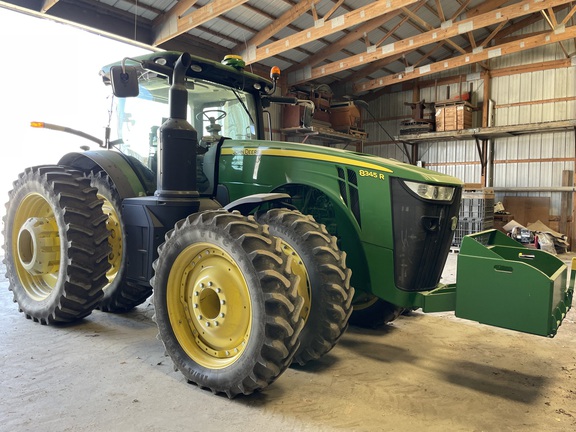
Agriculture sustains communities across South Africa and tractors remain the engine behind that success. Whether ploughing maize fields in the Free State or towing trailers through orchards in the Western Cape, tractors are indispensable. But purchasing new machinery often requires heavy capital outlay.
For many producers, the practical and cost-effective solution is a used tractor. A well-maintained pre-owned model can deliver years of dependable service at a fraction of the price of new equipment. In this guide, we explore why used tractors continue to dominate South Africa’s agricultural market, what to look for when buying, and how to keep your investment performing like new.
Why Used Tractors Are a Smart Choice
Lower Cost of Ownership
Used tractors typically sell for 40 – 60 percent less than new units while delivering comparable horsepower and performance. The savings allow farmers to reinvest in implements, irrigation, or seed rather than tying up funds in depreciation.
Proven Reliability
Most reputable brands are built to last decades. A well-serviced used tractor with a strong maintenance record can easily clock thousands of productive hours with minimal issues.
Simpler Maintenance
Older tractors have fewer electronic sensors and computerised components, which means repairs are easier and cheaper. Many farmers can even perform basic servicing themselves.
Wide Parts Availability
Leading brands such as Massey Ferguson, John Deere, New Holland, and Case IH maintain extensive parts networks across South Africa. Finding filters, clutches, or hydraulic hoses for older models is rarely a problem.
Slower Depreciation
New machines lose value quickly within the first few years. A used tractor depreciates much more slowly, helping farmers protect their capital investment.
Popular Types of Used Tractors in South Africa
Compact Tractors
Lightweight and manoeuvrable, compact tractors (20 – 50 HP) are ideal for smallholdings, landscaping, greenhouses, and vineyards.
Utility Tractors
Mid-range workhorses (50 – 100 HP) used for ploughing, tilling, and hauling. They balance power and fuel efficiency, making them the most sought-after second-hand type.
Row-Crop Tractors
Designed for row planting with higher ground clearance and precise steering, they’re favoured in maize, soybean, and sunflower production.
Four-Wheel-Drive Tractors
Essential for heavy tillage and steep or muddy terrain, 4WD models deliver high torque and traction.
Orchard and Vineyard Tractors
Narrow, low-profile machines capable of working between tight rows of vines or fruit trees. They’re popular in the Western Cape’s viticulture industry.
Industrial and Loader Tractors
Often equipped with front-end loaders or backhoes for material handling, construction, or maintenance tasks on mixed-use farms.
Key Considerations Before Buying a Used Tractor
- Assess Your Power Needs – Match horsepower to implement size and workload.
- Research Brand Reputation – Stick to brands with local service centres and proven durability.
- Review Maintenance Records – Consistent servicing is a reliable indicator of care.
- Inspect Condition – Check for leaks, corrosion, tyre wear, and general cleanliness.
- Test Operation – Drive the tractor through all gears, engage the PTO, and evaluate clutch response.
- Check Operating Hours – Lower hours usually indicate less wear, but condition is the ultimate test.
- Verify Ownership – Request proof of purchase and confirm there are no liens or outstanding claims.
A detailed inspection minimises risk and ensures the tractor delivers value for years to come.
Where to Find Used Tractors in South Africa
Authorised Dealers
Most major agricultural dealerships refurbish used machines and offer limited warranties. Buying from an established dealer ensures after-sales support and authenticity.
Online Marketplaces
Websites such as Agrimag, MachineryTrader, Tractor Giants, and Gumtree list thousands of verified used tractors with specifications, photos, and seller details.
Farm Auctions
Agricultural auctions remain popular for bulk sales of pre-owned equipment. Always inspect machines before bidding and set a clear price limit.
Private Sellers
Direct farmer-to-farmer sales can yield fair prices, but buyers should insist on physical inspection and documentation.
Import Resellers
Some local companies import refurbished tractors from Japan, Europe, or the USA. Choose suppliers that provide warranties and spare-parts assurance.
Step-by-Step Inspection Checklist
Before committing to a purchase, evaluate the tractor carefully:
- Engine: start easily, run smoothly, and check for unusual smoke or oil leaks.
- Transmission: engage all gears without grinding.
- Hydraulics: lift implements evenly; check for leaks.
- Brakes: stop smoothly on level and inclined surfaces.
- Steering: ensure minimal play or vibration.
- Electricals: verify lights, indicators, and battery health.
- Tyres: look for cracks or uneven wear.
- Cab and Controls: confirm visibility, seat comfort, and instrument function.
- Implements Compatibility: verify hitch category and hydraulic connections.
Bringing an independent mechanic for evaluation is often worth the small additional cost.
Maintenance Tips for Used Tractors
Alt text: mechanic servicing used tractor engine in South African workshop
Regular upkeep extends lifespan and improves fuel efficiency.
- Change Engine Oil and Filters every 100 – 250 hours.
- Check Hydraulic Fluid weekly and top up as required.
- Grease Joints and Bearings frequently to prevent friction wear.
- Inspect Tyres for punctures or pressure loss.
- Replace Air and Fuel Filters to prevent contamination.
- Clean Radiator and Grille to avoid overheating.
- Store Under Cover to protect against rain and UV damage.
- Test Battery monthly, especially before planting or harvesting seasons.
Preventive maintenance is far cheaper than major engine repairs and ensures reliable performance during critical fieldwork.
Common Problems and Their Solutions
| Problem | Possible Cause | Recommended Fix |
|---|---|---|
| Hard Starting | Low compression or blocked fuel line | Clean injectors, replace filters |
| Overheating | Dusty radiator or low coolant | Flush system and refill |
| Weak Hydraulics | Air in lines or worn pump | Bleed system, replace seals |
| Excess Smoke | Poor fuel quality or worn rings | Use clean diesel, service engine |
| Noisy Transmission | Worn bearings or gears | Replace damaged components |
| Slipping Clutch | Overuse or worn disc | Adjust linkage or fit new plate |
Spotting these issues early prevents long downtime and protects productivity.
Extending the Life of Your Used Tractor
- Operate Within Capacity: avoid overloading implements or running at maximum RPM for extended periods.
- Use Quality Fuel and Lubricants: clean fuel improves combustion and engine longevity.
- Keep Implements Aligned: misaligned attachments stress the drivetrain.
- Train Operators: ensure all users understand controls and safety procedures.
- Schedule Professional Servicing: annual inspections catch wear before it becomes serious.
A disciplined maintenance culture can extend a tractor’s lifespan well beyond 10 000 operating hours.
The Used Tractor Market in South Africa
The second-hand tractor sector continues to thrive as local farmers look for affordability without compromising quality.
- Massey Ferguson, John Deere, Ford, and New Holland remain the most traded brands.
- The Free State, Mpumalanga, Limpopo, and North West provinces represent the highest transaction volumes.
- Dealers increasingly offer certified pre-owned programs with inspection guarantees.
- Online sales platforms have broadened market reach, allowing farmers nationwide to compare models instantly.
These trends highlight a maturing marketplace built on transparency and trust.
Upgrading Older Tractors with Modern Technology
Even a decades-old tractor can be modernised with a few smart additions:
- GPS Guidance Systems for straight-line cultivation and reduced fuel waste.
- Digital Hour Meters to track maintenance intervals.
- LED Work Lights improving night visibility.
- Hydraulic Upgrades enabling compatibility with modern implements.
- Cab Enhancements such as suspension seats, fans, or canopies for operator comfort.
Retrofits extend the usefulness of older machines and help smaller farms access precision-farming benefits without large capital investment.
Environmental and Economic Advantages of Used Tractors
Buying second-hand supports sustainable farming in several ways:
- Reduced Manufacturing Impact: reusing machinery cuts down industrial emissions.
- Resource Efficiency: extending product life reduces raw-material demand.
- Lower Operating Costs: efficient diesel engines consume less fuel per hectare.
- Accessible Mechanisation: affordable pricing helps emerging farmers scale operations.
By choosing used equipment, South African farmers contribute to a circular agricultural economy that balances profitability with environmental responsibility.
Safety Guidelines for Operating Used Tractors
Safety remains paramount regardless of age or model.
- Inspect brakes and steering before each use.
- Never bypass seatbelts or roll-over protection systems (ROPS).
- Avoid carrying passengers on fenders or trailers.
- Disengage PTO and lower implements before exiting the cab.
- Park on level ground and apply hand brake.
- Train all operators in proper shutdown procedures.
Following manufacturer safety guidelines prevents injuries and prolongs the tractor’s working life.
The Future of Used Tractors in South Africa
As equipment prices rise and global supply chains fluctuate, the demand for quality pre-owned machinery will keep increasing. Dealers are expected to expand refurbishment centres that restore used tractors to near-new condition.
Digital platforms are improving buyer confidence by offering verified histories and transparent pricing. Electric and hybrid retrofits may also enter the market as cleaner technology becomes accessible.
For South African agriculture, used tractors will remain a cornerstone — empowering farmers to modernise operations sustainably while maintaining financial flexibility.
Conclusion
Used tractors represent one of the most practical investments in South African farming today. They combine affordability with proven durability, enabling producers to expand capacity, mechanise faster, and maintain profitability even in tight economic conditions.
With careful inspection, regular maintenance, and attention to safe operation, a used tractor can deliver many more years of reliable service — powering ploughs, pulling trailers, and sustaining the rhythm of rural life across the country.
Choosing a used tractor isn’t just about saving money; it’s about embracing efficiency, resilience, and sustainability in the heart of South Africa’s agricultural future.